
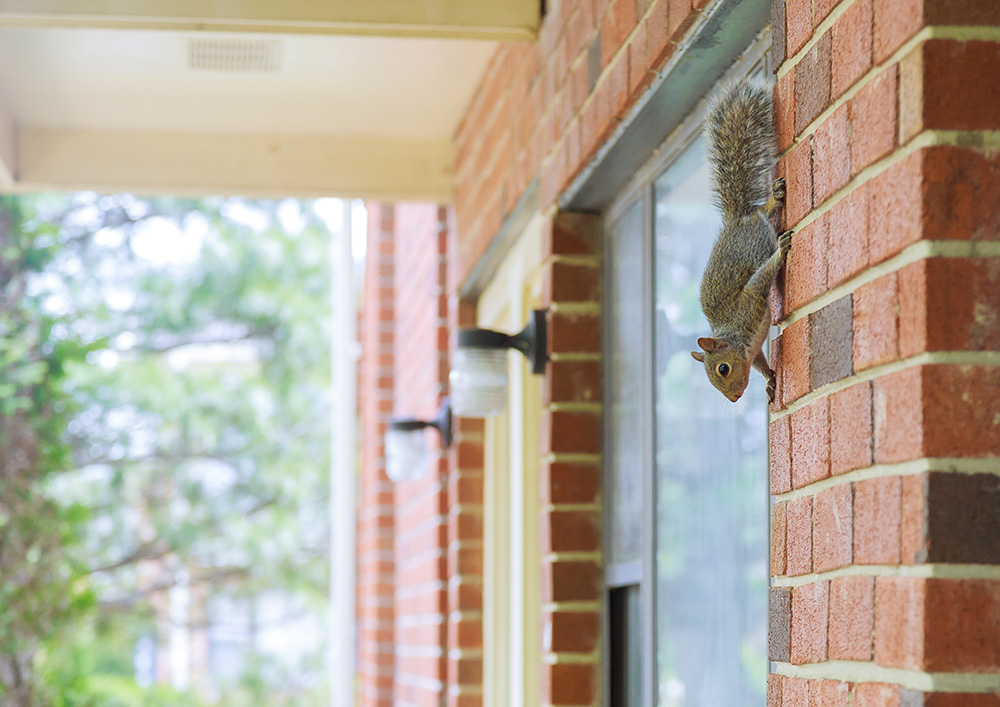
When looking to buy a new home, it is always a good idea to inquire about wildlife issues on the property. Understanding the current or past issues the previous owner had with wildlife in the area can be vital information. This article will explore why it is important to ask about a property’s wildlife history and what you need to know as a new owner.
Home Inspections May Not Reveal All
Home inspections are an essential part of the buying process, but they may not reveal all of the issues with a home. An inspector may identify areas where damage has occurred, but they may not be able to identify what caused it. While inspectors can search the interior and exterior of the home, they often cannot search every pocket between the walls. Additionally, most inspectors can miss tiny damage hidden in the walls that could have been caused by wild animals. Finally, health concerns caused by a wild animal, such as droppings, parasites, and other contaminations, may be overlooked.
Structural Damage From Former Animal Intruders
Wild critters may have caused issues unknown to the current owners. A rat infestation may lead to damaged wiring in the walls. Pigeons in the chimney may have caused damage to the flue. If the owner didn’t properly repair all areas of potential damage, it will be hard to know for sure if the home has other hidden issues.
Entry Points for Other Critters
If the homeowner used traps or an exterminator to deal with their animal issue, they may not have addressed the issue fully. Wild animals often enter the home through small cracks or breaches in the home’s exterior. If left alone, these entry points can be used by other animals in the future.
Potential Health Concerns & Wildlife History
Wild animals can create health hazards that may not be identified with a simple home inspection. Critters can bring bugs and parasites into your home. Their nests and waste products can spread disease. Droppings hidden in the walls can have adverse health effects on you and your family. Current animal infestations can also lead to dangerous encounters resulting in bites and scratches. Additionally, wild animals existing in a home for extended periods of time can lower the air quality of the home. Their fur and dander can clog air filters and lessen their effectiveness.
Wildlife History in the Yard
While you may not be able to stop critters from entering a home’s backyard, understanding the previous owner’s experience with wildlife outside is important information. Did they have raccoons frequenting their garbage? Did they have trouble with animals raiding their garden? Were there animals nesting under the deck? This information can help new homebuyers make educated decisions about protecting their new yard. This can include closing off the underside of a deck, reinforcing the shed’s windows, deer-proofing the garden, and investing in sturdy trash cans.
Wildlife History & Issues with Insurance
Existing wildlife issues can also create problems for home insurance claims. Critters entering through pre-existing damage can lessen the insurance payout. Damage rendered during a former owner’s tenure may not be covered as fully. Because of this, addressing these issues before ownership, or lowering your purchase cost so you can cover repairs, can be essential. Homebuyers who are made aware of potential animal damage can have them repaired or use it as a bargaining chip before a final offer is agreed upon.
Humane Wildlife Removal for Homebuyers
Does your new home have a wild animal problem? New York New Jersey Wildlife Removal Inc. can help. Our team of wildlife experts can safely exclude and remove your wild animal issue from your new home. Our team also handles sanitization and repairs. This helps reduce the health risks of cross-contamination. Our repairs help reduce the risks of future wild animal intruders and help restore your property. We also offer 24/7 emergency removal services.