
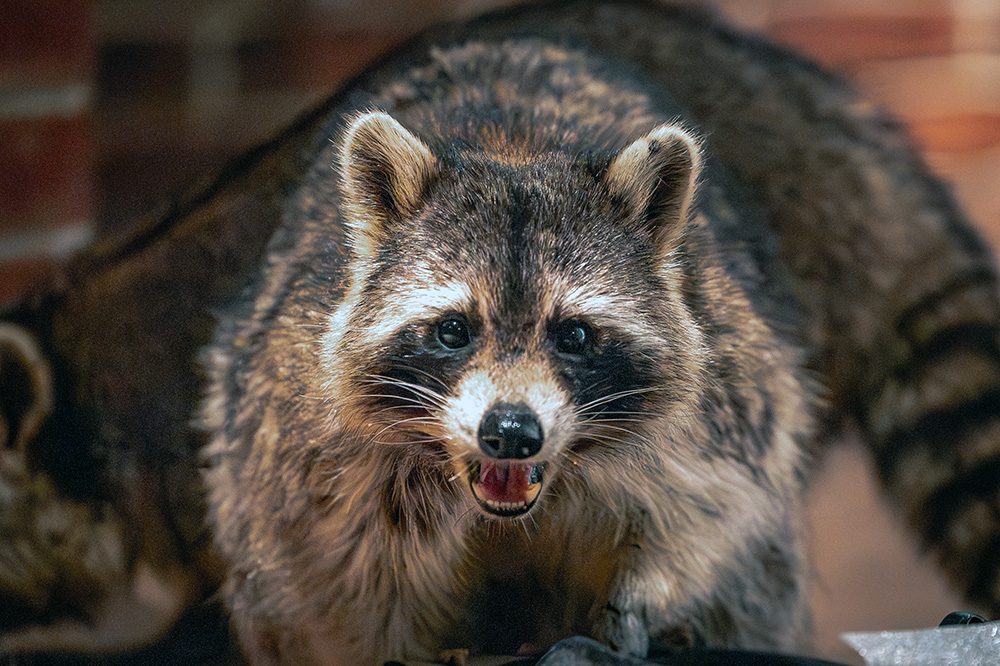
When people hear the term “rabies,” they often think of animals foaming at the mouth, but it isn’t always that simple. While you should always treat a wild animal with respect and caution, understanding the signs of rabies can give you an additional level of safety. In this article, we will discuss how to identify the signs of rabies in wild animals.
Nocturnal Animals in the Daytime
Generally, raccoons, bats, and skunks are nocturnal critters and are rarely active before dusk. Rabies can affect the sleep patterns of infected animals. Because of this, rabid skunks and raccoons are often spotted during the day. While this isn’t the only reason they could be active during the day, it can be an important indicator.
Rabies and “Drunken” Behavior in Wild Animals
When animals get rabies, they may stumble around or become easily confused. To some, this may seem like the critter is in a “drunken” state. Their movement will seem staggered, wobbly, or hesitant. They may also not respond quickly to stimuli like lights or noise. However, this does not mean that they will not react. In this state, an animal may still bite or scratch and will lash out aggressively if they feel threatened.
Rabies and Aggressive Behavior in Wild Animals
As mentioned above, an animal can act aggressively while subject to rabies. Generally, most wild animals will stay away from people. Some critters like skunks or squirrels can be timid and easily frightened when threatened. Some animals that feel safe in the presence of people may openly approach if they do not feel threatened. You should always keep your distance from wild animals regardless of how docile or calm they seem.
Rabid animals, however, are more prone to acts of aggression. They may lash out, attempt to fight other animals, or otherwise act with aggression. They may even attempt to attack without provocation. Pets and children are often more at risk of attack than adults, as they are often more likely to approach a wild animal.
Do Not Approach Wild Animals
Regardless of whether you think an animal is rabid or not, keep a safe distance. If you or a loved one is bitten or scratched by a wild animal, seek medical attention and call a wildlife removal specialist. Bring any injured pets to the vet for a proper health screening.