
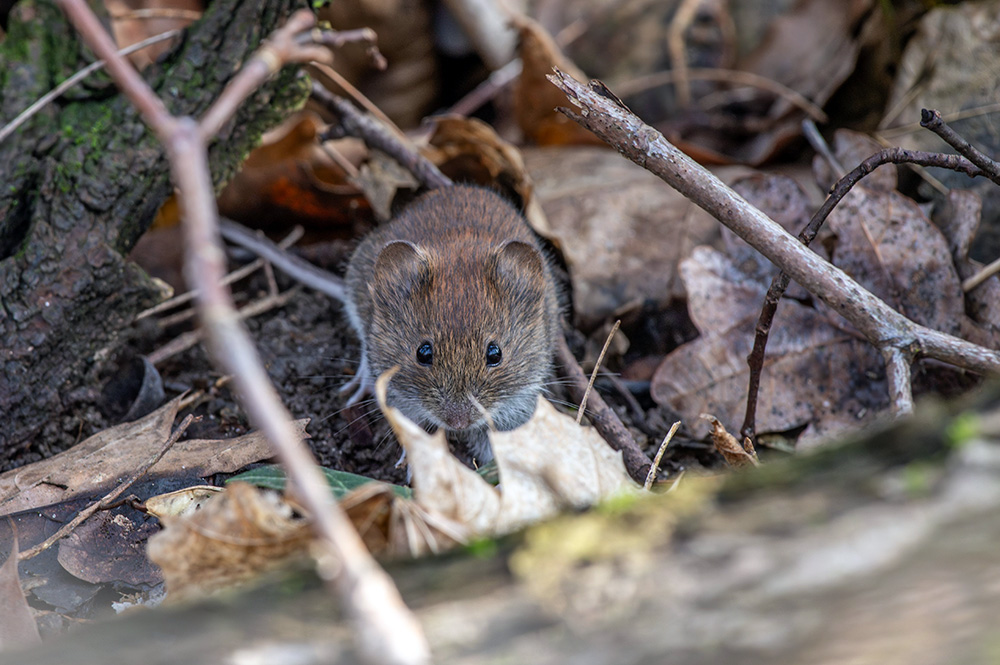
Wild animals can carry a wide range of diseases and parasites. Hantavirus is a disease found in rats and other rodents. It is a severe and potentially deadly respiratory disease. This article will explore Hantavirus and how humans can contract it.
Rodents and the Hantavirus
While many rodent species can carry hantavirus, it is most common in rats and mice. The most common carrier is the deer mouse, one of the most prolific rodent species across North America. The virus can be found in the saliva, urine, or droppings of infected rodents. This viral infection can be contracted by breathing in particles that include their saliva or waste. Sweeping or cleaning an area infested with rats may kick up particulates and increase infection risk.
Hantavirus Pulmonary Syndrome (HPS)
HPS is the condition caused by the Hantavirus. HPS symptoms may begin to manifest 1-8 weeks after contact with a rodent carrying the disease, according to the CDC. Initial symptoms may include:
- Fatigue
- Muscle aches
- Fever
- Dizziness
- Nausea
- Vomitting
- Diarrhea
- Abdominal pain
Roughly 4 to 10 days after symptoms occur, individuals may experience late symptoms of HPS. These symptoms can include coughing, shortness of breath, chest tightness, and fluid in the lungs. The CDC reports that 38% of those who develop severe respiratory symptoms of HPS can die from it. Recovery from HPS may take months.
Hemorrhagic Fever with Renal Syndrome (HFRS)
HFRS is another disease caused by the Hantavirus. While much more common in European and Asian strains of Hantavirus, some can be found in America. Symptoms of HFRS often develop within 2 weeks of initial exposure. The symptoms can include:
- Intense headaches
- Back pain
- Abdominal pain
- Fever
- Nausea
- Blurred vision
- Red eyes
- Rash
As the condition progresses, late symptoms may occur. These include low blood pressure, internal bleeding, acute shock, and acute kidney failure. The severity and deadliness of HFRS will generally depend on the strain of the infection. Recovery may take months.
Reducing Exposure Risk
While Hantavirus rates are rare in America, reducing the risk of exposure is important. Areas infested with rodents need to be properly cleaned and sanitized after the animals are removed from the area. Properly fitting respiratory masks can help limit exposure risks during cleaning and sanitization.
Rodent Removal and Cleanup
If you have a rodent problem, you need real solutions that keep you and your family safe. NY/NJ Wildlife Removal Inc specializes in the humane removal of wild animals, including rats, mice, and more. Our licensed wildlife removal specialists handle all aspects of the removal process, including proper cleaning and sanitization of affected areas. This helps reduce disease proliferation.