
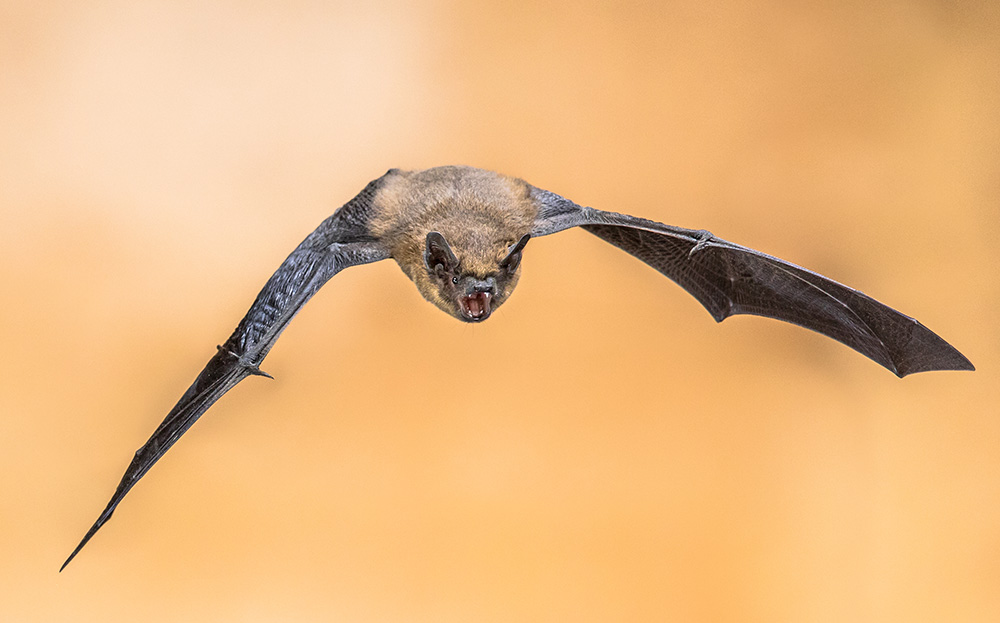
Bats are a critical part of our ecosystem, and many species in the US are endangered. When a bat colony invades your home, it can be a major issue. Bats living near humans can cause a variety of health concerns, but their protected status can make it challenging for homeowners to address them. The only safe and effective removal method for bats is exclusion. NY/NJ Wildlife Removal Inc. is NWCOA certified in the humane removal of bat species.
What is Exclusion?
Exclusion is a humane method of wildlife removal where the animals leave of their own volition. By using one-way doors placed at any potential entrance, the animals will leave the home to hunt for food and will be unable to return. Exclusion removes the need for any human-animal contact, making it safer for all involved. For bat colonies, this method is especially effective because it limits potential harm. Once all the bats have vacated, the entry points can be sealed.
Why are Bats a Protected Species?
While many bat species are threatened or endangered, it isn’t the only reason they are protected species. Bats play a critical role in pollination and seed dispersal, making them essential for the ecological growth of our environment at large. Additionally, bats are incredibly effective natural pest control for bugs. Many bat species in America eat mosquitoes, beetles, and more. On average, bats save the agriculture industry over $3 billion in pest control costs. Lastly, bats only produce one pup per litter on average, unlike most other mammals of similar size. This makes it difficult for colonies to easily repopulate.
Why Traps or Repellents Don’t Work
Traps, even temporary ones, can harm or kill bats. Because of their protected status, it is important not to risk injury to the bats. There may be legal repercussions for injuring or killing bats. Repellants for bats are often temporary solutions and may not effectively deter an entire colony. Because of the potential health risks, handling bats or entering an area with their colony can be unsafe. As a result, exclusion is a much safer and effective method for all.
Bat Exclusion and Time of Year
Generally, relocation of a bat colony during the summer is prohibited during the maternal season. Newborn bats are not able to fly during their early stages of development. Because of this, fall and early spring are the best times to deal with bat colonies.
Clean Up After Exclusion
Proper cleaning and sanitization are critical once the bats are excluded. Otherwise, your family may remain vulnerable to health risks associated with bats. In addition to rabies, parasites, and other disease risks, bat guano can pose incredible health risks on its own. The feces can break into a fine powder when disturbed, which may be inhaled without proper protective gear. This can lead to respiratory issues, including pneumonia and a fungal lung infection called histoplasmosis.
The team of wildlife removal specialists at NY/NJ Wildlife Removal Inc. handles all clean-up, repairs, and sanitization after wild bats are removed from a location.