
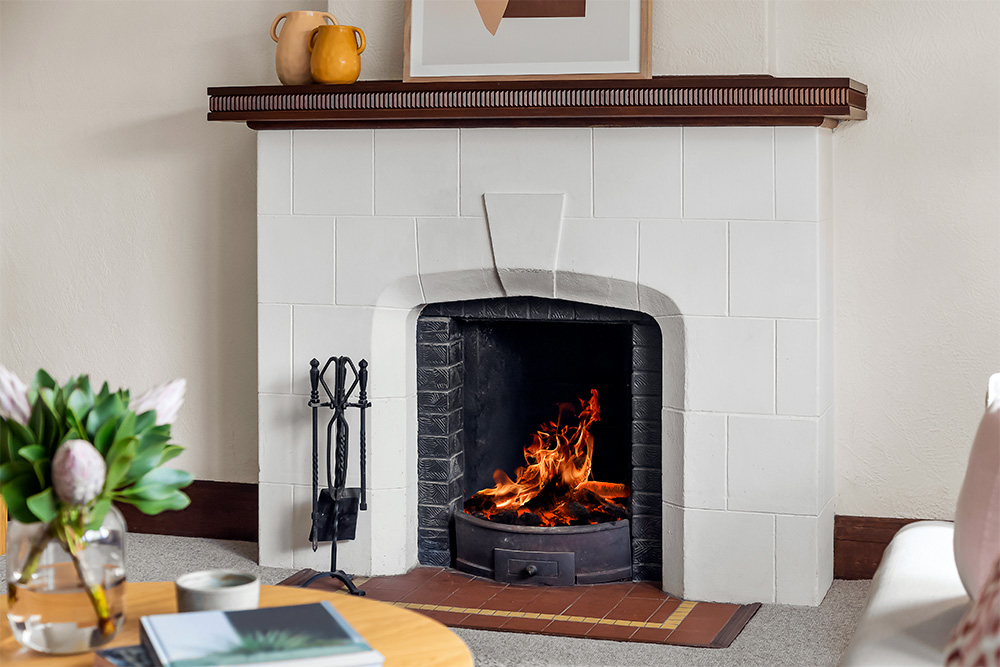
In the Summer, no one will turn off the A/C to use the fireplace. This means that your chimney is open for critters to potentially move in. It is common for animals such as birds, squirrels, raccoons, and more to set up shop in an unused and unprotected chimney. As winter approaches, it can be important to check your chimney for animal residents and get it ready for active use.
Keep the Damper Closed During Non-Use
The damper prevents energy loss during times when your chimney is inactive. But it can also let animals into your home. There is almost no need to have the damper open in the summer months, unless you decide to light the fire. Keep the damper closed when it is not in use.
Invest in a Chimney Cap
Chimney caps can help prevent pest animals from entering your chimney. They also reduce the risk of snow or rain entering your home. However, these can sustain damage over time, so be sure to check them on occasion and replace them as needed. Look for caps with sturdy metal mesh around them. This can help reduce the risk of animals entering your chimney.
Cleaning and Inspecting the Chimney
According to the Chimney Safety Institute of America, chimneys and fireplaces should be inspected for damage at least once a year, and cleanings should be administered as needed. Cleanings help reduce soot buildup over time. This can reduce smoke inhalation risks and minimize fire hazards within the home. Regular cleanings and inspections can help you more quickly identify if there is an animal problem, even in the off-season.
Listen For Animal Sounds
If animals live in your chimney, you might hear them. When you hear chirps, squeaks, or scratching coming from within, you likely have a pest problem. If you suspect an animal is living in your chimney, contact a local humane wildlife removal service to remove it from your property.