
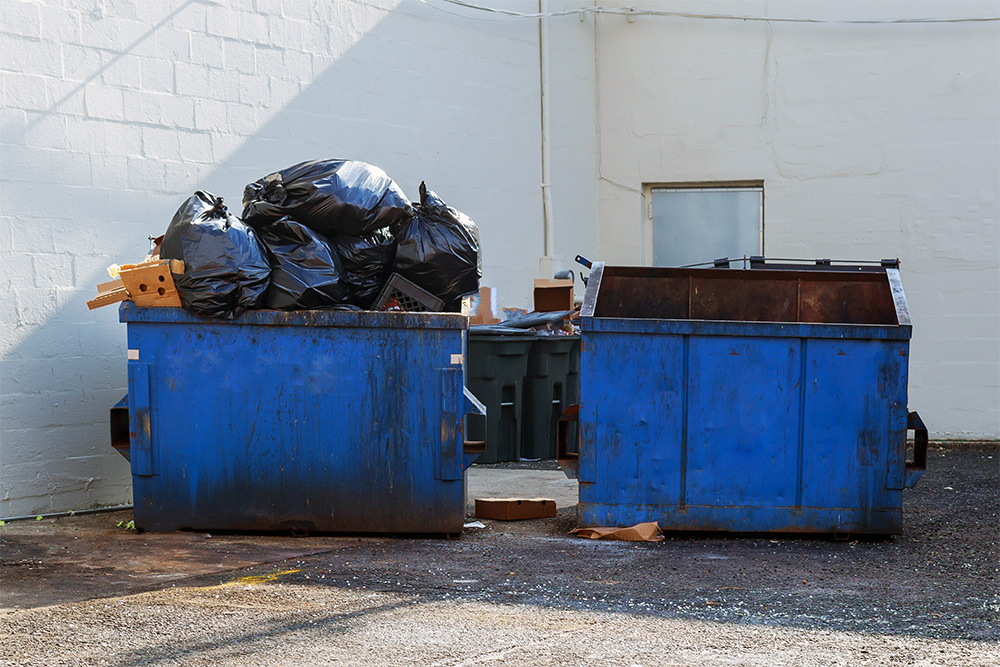
Raccoons are well-known for digging through garbage. But why do these bandits raid our trash cans? Raccoons, especially in urban areas, love to jump in or knock over trash cans for food. This article will explore why raccoons dumpster dive and how to reduce the risk of them making a mess in your bins.
Urban vs Wild Raccoons
In the wild, raccoons have a diverse, omnivorous, and opportunistic diet. They will hunt for fish, frogs, insects, small rodents, and bird eggs. They also eat a variety of plants, including wild berries and nuts. However, a raccoon in the countryside may have to travel up to 15 miles to find sufficient food.
Raccoons that live in urban and suburban areas can find all the food they can eat in the trash. Because of this, they may only have to travel a block or so to find enough food. At most, they will travel up to a quarter mile in less densely populated areas. While urban areas pose their own challenges, such as dodging cars and avoiding humans, food can be found almost anywhere. Opportunistic raccoons find areas, like a restaurant dumpster, and may look to live nearby.
What Do Raccoons Eat in the Dumpster?
Raccoons are not picky eaters, so they will feast on pretty much anything in your trash, as long as it isn’t spoiled. Despite being scavenging creatures, raccoons tend to avoid rotten food unless necessary. Raccoons will eat plant and meat scraps they can find. They can easily dig through other items in the trash to get to the food scraps.
Securing Your Trash Can or Dumpster
Raccoons can make quite a large mess in order to get the food in your trash. To avoid cleaning up after these pesky dumpster divers, there are several ways to reduce raccoon raids. First, invest in animal-proof trash cans. Raccoon-proof bins with locking covers can reduce the risk of most wild animals eating your garbage. If you live in an area with bears, you may want to consider going a step further and investing in bear-proof trash cans.
Securing your bins in place can also be a good way to limit mealtime at your trash cans. Because raccoons and skunks like to knock over cans, tie them to your fence or a post when not out on the curb. Raccoons can scare easy, and they don’t like bright light. Motion sensor flood lights by your garbage pails can scare these critters away.
For larger dumpsters, always close and secure the lid after depositing trash. This can help limit access for wild animals. Metal dumpsters with sturdy, metal lids are best. Flimsy, lightweight, plastic covers can be easily lifted by some raccoons. The lighter the lid, the more likely they can get inside.
Safety Around Raccoons
If there is a raccoon in your trash or dumpster, do not approach or corner it. Raccoons may attack if they feel threatened. Instead, make loud noises from afar. Often, this will be enough to scare it off. Sometimes, a raccoon may be stuck in the bottom of a dumpster. While you may want to help it, it may feel cornered or threatened. Do not risk injury trying to help it yourself. Do not engage the raccoon. If the raccoon does not leave, move away slowly and call a humane animal removal specialist.
Raccoons can carry several diseases, including rabies. If a raccoon attacks you or a loved one, wash the wound with soap and warm water, then seek medical attention.